





300+ clinicians, doctors, and dermatologists have shared Svens Island for eczema relief, with no compensation.
If you've been researching eczema for any length of time, you might’ve come across the term Staphylococcus aureus.
It's one of the most discussed - and most misunderstood - factors in eczema management.
This article explains what it actually is, what role it plays, and why understanding it changes how you approach long-term eczema care.
What Is Staphylococcus Aureus?
Staphylococcus aureus - commonly called Staph - is a bacterium that lives on the surface of human skin. It has been found in 90% of people with eczema-prone skin, compared to just 5-30% in the general population.
In small amounts, it sits alongside hundreds of other microorganisms that make up the skin's natural microbiome. Different bacteria keep each other in check. The skin stays balanced.
The problem is that eczema breaks this balance - and Staph is one of the main bacteria that takes over when it does.
Does Staph Cause Eczema?
No, Staph doesn't cause eczema directly - but it does make it significantly worse once the conditions are right for it to thrive.
If your skincare routine ignores Staph, flares tend to become more frequent, more intense, and harder to resolve.
Effectively managing eczema isn't just about calming inflammation when it flares - it's about maintaining the kind of skin environment where Staph is less likely to take hold in the first place.
Why Eczema-Prone Skin Is So Vulnerable to Staph
In healthy skin, the outer layer forms a tight seal - keeping moisture in and microbes out. In eczema-prone skin, particularly in people with filaggrin gene mutations, that seal is weaker.
Filaggrin is a protein that helps bind skin cells together and maintain the barrier's structure - when it's reduced or absent, the outer layer becomes more porous and less able to keep irritants out.
It's a structural weakness that's often present from birth, which is part of why eczema tends to run in families. Gaps form between skin cells. The skin's pH rises slightly. Moisture escapes more easily.
Staph thrives in these conditions – creating the perfect storm for eczema.
Once Staph moves in, it doesn't sit quietly. It actively makes eczema harder to manage.
What Staph Does to Your Skin
Staph releases toxins that trigger an exaggerated immune response - on top of the immune response already driving eczema. It's essentially adding fuel to a fire that's already burning.
The result is more inflammation, disrupted skin repair, stronger itch signals, and increased sensitivity to everyday triggers.
The itch is the part people feel most. Staph directly activates itch receptors in a way that’s separate from inflammation. So the itch can feel far worse than the skin looks - which leads to more scratching, more barrier damage and more Staph. Creating a relentless cycle.

The Staph-Eczema Cycle
The relationship between Staph and eczema isn't one-directional - each makes the other worse.
-
Barrier damage creates the conditions Staph needs to take hold
-
Staph intensifies inflammation and gets in the way of skin repair
-
Inflammation causes more scratching
-
Scratching worsens barrier damage
-
Worsened barrier lets more Staph in
This is why eczema can feel endless. Even when a trigger's removed or a cream calms things down temporarily, the bacterial environment hasn't changed. The next trigger finds the skin in the same vulnerable state - which is why flares come back quickly and why they're so hard to fully clear.
What the Research Shows
Research builds on this cycle, pinpointing exactly how Staphylococcus aureus gains such a strong foothold - and why it keeps flares going. A landmark meta-analysis of over 20 studies found Staph colonising 70% of lesional skin during active eczema (rising to 90% in severe cases), 39% of non-lesional areas (even visually clear skin), and 62% of nasal passages - compared to just 5-30% in healthy controls.¹
This shows the bacteria imbalance persists between flares, quietly priming the skin for the next one.
Filaggrin gene mutations amplify this vulnerability by raising skin pH from the ideal 4.5-5.5 to 6 or higher, giving Staph a growth advantage over protective bacteria.²
Once Staph is established, its superantigens - including SEB and TSST-1 - significantly amplify T-cell activity, driving Th2 inflammation well beyond eczema's baseline and directly fuelling itch receptors and barrier breakdown.³
Microbiome studies show that flares reduce microbial diversity by 50% or more, with Staph dominance slowing recovery.⁴
Trials reducing Staph - through bleach baths or biologics - have shown significant reductions in severity scores, confirming that bacterial balance directly affects outcomes.⁵
Why Steroids Don't Fix the Staph Problem
Steroid creams are effective at calming inflammation quickly. For many people they're an important tool during a bad flare. But they don't touch Staph.
When you stop a steroid course, the bacterial environment on the skin is exactly the same as before you started. The skin barrier is still fragile. Staph is still there. The next trigger - whether it's stress, a change in weather, or a new soap - finds the skin just as vulnerable.
This is part of why flares come back so often after steroids. The visible symptoms were treated. The underlying bacterial imbalance wasn't.
Why Standard Moisturisers Aren't Enough Either
Most moisturisers hydrate and soothe - and that matters. But they don't address bacterial imbalances on the skin surface.
It's one of the most common gaps in eczema management. People moisturise consistently, avoid known triggers, and still find their skin cycling back to the same place.
The barrier is being supported, but the bacterial environment isn't. Hydration alone doesn't shift the imbalance that's keeping inflammation going.
What a Bacteria-Aware Approach Looks Like
Managing Staph in eczema isn't about wiping out all bacteria on the skin. The goal is balance, not sterility - stripping the skin of all bacteria would do more harm than good.
A bacteria-aware approach means using products with ingredients that support a healthy microbiome, avoiding harsh cleansers that strip good bacteria alongside the bad, and maintaining barrier support consistently - not just during flares.
In practice, that means looking for fragrance-free formulas with a skin-compatible pH, avoiding anything that leaves the skin feeling stripped or tight after washing, and prioritising ingredients with evidence behind them, rather than broad "natural" claims.
It also means being realistic about timelines. Shifting the bacterial environment takes weeks of consistent care, not days.
Certain botanical ingredients have been studied for their ability to target Staph bacteria and support bacterial balance – without the harshness of prescription treatments. Manuka leaf oil is among the most researched in this area, with studies examining how it fights Staphylococcus aureus specifically.
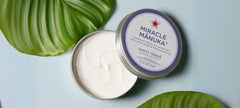
For those exploring a steroid-free approach that works with both the barrier and bacterial environment, Sven's Island Miracle Manuka is one option formulated with this in mind.
Frequently Asked Questions
Does everyone with eczema have a Staph problem?
Not everyone, but research suggests the majority of people with active eczema have elevated Staph on affected skin. The more severe the eczema, the higher the colonisation tends to be.
Can you test for Staph colonisation on your skin?
Yes - a skin swab can identify it. Some dermatologists use this to guide treatment, particularly when eczema isn't responding to standard care. It's worth raising with your doctor if flares are frequent or hard to resolve.
Do antibiotics help with eczema?
They can reduce Staph short term and may be prescribed for a confirmed infection. But long-term use isn't recommended due to resistance risk - and they don't address the underlying barrier issue.
Can children with eczema have Staph colonisation?
Yes, it's common in children with eczema and one of the reasons it can be so difficult to manage in little ones. Using gentle, bacteria-aware products consistently is especially important here.
Final Thought
Staphylococcus aureus isn't the cause of eczema. But for many people, it's a significant reason why eczema keeps coming back.
Understanding its role - and choosing products that address both the barrier and bacterial balance - is one of the most meaningful shifts you can make in long-term management. It's not about treating the skin more aggressively. It's about treating it more completely.
References
¹ Totté et al. (2016). Br J Dermatol.
² Gupta et al. (2020). Curr Treat Options Allergy.
³ Hong et al. (2008). Role of Staphylococcal Superantigen in Atopic Dermatitis. Yonsei Med J.
⁴ Paller et al. (2019). J Allergy Clin Immunol.
⁵ Simpson et al. (2023). J Allergy Clin Immunol.
Don’t Miss These
Works well with Eczema prone skin


- $66.00
-
$104.00 - $66.00
- -37%
- Unit price
- per


- $62.00
-
$89.00 - $62.00
- -30%
- Unit price
- per


- $99.00
-
$145.00 - $99.00
- -32%
- Unit price
- per


- $40.00
-
- $40.00
- -0%
- Unit price
- per


