Notifications
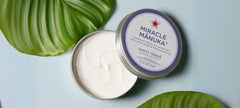
Moisturize. Protect. Prevent. A 100% natural eczema cream designed not just to soothe — but to help prevent flare-ups before they begin.

Trusted by experts, proven by 75,000+ happy customers — see why dermatologists recommend Miracle Manuka.
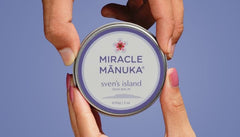
Your favorite skin savior, now in 100g! More relief, less refills.
Real results, real relief — join thousands who trust Miracle Manuka for their skin.
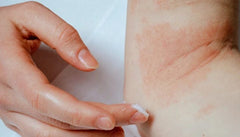
See how Miracle Manuka is transforming skin—real stories, real results.
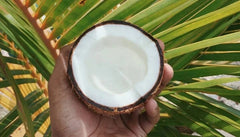
Learn what makes our formulas so effective—pure, potent, and natural.
For many people, eczema isn’t something they’re newly dealing with. It’s something they’ve been trying to manage for months — or even years.
If you’re managing eczema for yourself:
You’ve likely tried moisturisers, prescription creams, and “natural” products.
Something might help for a short time — then the irritation returns.
Flare-ups can feel unpredictable, and you may be cautious about relying on steroid creams long-term.
If you’re caring for a child with eczema:
You’re careful about what you put on their skin.
Sleep can be disrupted by constant itching.
Progress can disappear overnight, even when you’re doing everything right.
If any of this feels familiar, the issue isn’t effort — and it isn’t something you’ve done wrong.
The reason eczema can feel so frustrating is that what’s happening on the surface of the skin is often only part of the story.
Understanding what’s really happening underneath is the first step toward calmer, more comfortable skin.
Eczema is a common inflammatory skin condition that affects both children and adults.
It’s often described as “dry, sensitive skin,” but for many people it involves much more than dryness alone.
Eczema-prone skin tends to be:
• Itchy, irritated, or inflamed
• Dry or tight, even after moisturising
• Prone to flare-ups that improve, then return
Eczema can appear anywhere on the body, but commonly affects the hands, face, arms, legs, and behind the knees.
One of the most frustrating parts of eczema is that symptoms can change from day to day.
Skin may look calm on the surface, yet still feel itchy, reactive, or uncomfortable underneath.
This is because eczema isn’t just a surface issue — it’s linked to how well the skin barrier functions and how the skin responds to irritation over time.
Eczema is often described as “dry, sensitive skin.”
And while dryness is part of the picture, for many people it doesn’t fully explain why flare-ups keep coming back — even when you’re moisturising regularly and being careful.
What’s usually happening underneath is not one issue, but two separate problems overlapping at the same time.
Those two problems are:
1) A weakened skin barrier
2) A disrupted skin environment
On their own, each of these can make skin more sensitive. But when they happen together, eczema becomes much harder to calm — and much easier to trigger.
Your skin barrier is your body’s first line of defence.
When it’s working properly, it helps:
• Keep moisture locked into the skin
• Keep irritants, allergens, and pollutants out
• Allow the skin to recover between flare-ups
With eczema-prone skin, this protective barrier doesn’t function as well as it should.
Tiny gaps can form in the barrier, which changes how the skin behaves day to day.
This often leads to:
• Moisture escaping more easily, causing dry and tight skin
• Irritants getting in more easily, triggering redness and discomfort
• The immune system staying switched “on,” even when the skin looks calm
This is why eczema can feel so confusing.
You might be applying moisturiser regularly — even generously — but still feel like it doesn’t last, or doesn’t fully settle the skin.
Moisturiser helps add hydration, but if the barrier is already compromised, it’s a bit like trying to fill a bucket that has small holes in the bottom.
Until those “holes” are supported, moisture can’t stay where it’s needed.
But the skin barrier is only part of the story.
The second issue happens on the surface of the skin — and plays a big role in why irritation can linger.
Healthy skin isn’t sterile.
It’s supported by a balanced mix of naturally occurring microorganisms that help keep the skin calm and resilient.
In eczema-prone skin, that balance often shifts.
Research shows that up to 90% of people with eczema have higher levels of Staphylococcus aureus on their skin during flare-ups — a bacteria strongly linked to ongoing itching and inflammation.
During flare-ups — or when the skin barrier is weakened — this bacteria can become more dominant, while overall skin diversity drops.
When bacterial balance is disrupted, skin may:
• Feel itchier and more reactive
• Stay inflamed for longer periods
• Struggle to fully settle between flare-ups
This doesn’t mean your skin is “dirty” or infected.
It means the skin’s surface balance is under stress — often at the same time the barrier is already compromised.
When these two issues overlap, eczema can become harder to calm and easier to trigger again.
This is where eczema can start to feel frustrating and unpredictable.
When the skin barrier is weakened, moisture escapes more easily and irritants get in.
At the same time, bacterial imbalance on the skin can trigger ongoing inflammation.
These two issues don’t happen in isolation — they reinforce each other.
Barrier damage makes the skin more vulnerable.
Bacterial overgrowth makes inflammation harder to settle.
As inflammation increases, the barrier becomes even weaker — which allows bacteria to thrive further.
This creates a feedback loop where:
• Skin flares suddenly, even without an obvious trigger
• Irritation escalates quickly once it starts
• Flare-ups take longer to fully calm
This is why eczema can feel like it comes out of nowhere — and why calming one part of the problem often isn’t enough to stop the cycle.
Healthy skin naturally carries bacteria.
In fact, a balanced mix of bacteria helps support the skin barrier and keep irritation under control.
But when the skin barrier is weakened, that balance can change.
During eczema flare-ups, certain bacteria — including Staphylococcus aureus — are often found in higher amounts on eczema-prone skin.
This doesn’t mean bacteria suddenly “cause” eczema.
Instead, barrier damage creates an environment where certain bacteria can thrive — and their presence can make inflammation harder to calm.
This is one reason eczema can feel persistent, even when you’re doing everything “right.”
When certain bacteria become more dominant on the skin, they can interfere with the skin’s natural recovery process.
Research shows that bacterial imbalance on eczema-prone skin can:
• Increase inflammation on the skin’s surface
• Trigger itch and sensitivity
• Slow down barrier repair
This creates another reinforcing loop.
Inflamed skin supports bacterial imbalance — and bacterial imbalance helps inflammation linger.
This doesn’t mean your skin is infected.
It means the skin environment needs support — not just moisture, but balance.
Once skin is already vulnerable, certain everyday triggers can make flare-ups more likely.
These triggers don’t cause eczema — but they can push sensitive skin past its threshold.
Common triggers include:
• Stress and lack of sleep
• Weather changes and low humidity
• Friction from clothing or repeated rubbing
• Harsh soaps or frequent washing
When the barrier is weakened and the skin environment is disrupted, these triggers can have a much bigger impact than expected.
Moisturising is an important part of eczema care — but for many people, it isn’t enough on its own.
Most moisturisers are designed to add hydration to dry skin.
They can help skin feel softer and temporarily reduce tightness, especially during a flare.
But moisturising alone doesn’t address everything that’s happening beneath the surface.
Hydration can’t fully repair a weakened skin barrier — and it doesn’t address bacterial imbalance on the skin that may be driving ongoing inflammation.
So while skin may feel better for a short time, flare-ups often return once that surface moisture wears off.
This is why many people find themselves stuck in a familiar cycle:
• Moisturise frequently
• Feel brief relief
• Experience another flare days or weeks later
Breaking that cycle often requires supporting more than just moisture — it means supporting both the skin barrier and what’s happening on the skin’s surface.
For eczema-prone skin, long-term comfort comes from supporting the skin — not fighting it.
That means focusing on:
• Helping the barrier recover and stay resilient
• Calming inflammation without harsh ingredients
• Supporting a balanced skin environment
When skin is supported consistently, flare-ups often become less intense, less frequent, and easier to manage.
This is the approach we take at Svens Island.
Breaking the eczema cycle often requires addressing more than one issue at the same time.
That’s because flare-ups are usually driven by a weakened skin barrier and bacterial imbalance on the skin’s surface.
Miracle Manuka was developed to support both — gently, naturally, and without steroids.
What makes it different is how it works with the skin, rather than just covering symptoms.
See Best Eczema RoutineThe skin barrier acts like a protective wall.
When it’s damaged, moisture escapes more easily and irritants get in — making skin more reactive and prone to flare-ups.
Miracle Manuka includes barrier-supporting ingredients like coconut oil, marshmallow root, and beeswax to help:
• Reduce moisture loss
• Support damaged skin as it recovers
• Create a protective layer while irritation settles
This helps give compromised skin the support it needs to calm and rebuild over time.
See Best Eczema RoutineFor many people with eczema, flare-ups aren’t driven by dryness alone.
Research shows that up to 90% of people with eczema have higher levels of Staphylococcus aureus on their skin during flare-ups — a bacteria linked to increased itching and inflammation.
Manuka leaf oil — the foundation of Miracle Manuka — has been studied for its natural antibacterial properties.
Laboratory research has shown it can target up to 99.9% of Staphylococcus aureus, helping address a key trigger linked to recurring eczema flares.
By supporting bacterial balance on the skin, Miracle Manuka helps calm irritation at the source — not just on the surface.
See Best Eczema RoutineManuka is a native New Zealand plant known for its natural protective properties.
Unlike Manuka honey, Manuka leaf oil is distilled from the leaves of the plant, where many of its active compounds are found.
It has been used for generations and is valued for being both naturally antibacterial and gentle enough for regular use on sensitive skin.
This makes it especially suited for eczema-prone skin that needs ongoing support — not harsh treatments.
See Best Eczema RoutineEczema isn’t caused by a single issue — which is why single-solution products often fall short.
Miracle Manuka uses our PhytoBarrier™ approach to support both:
• The skin barrier
• The skin’s surface balance
By addressing both at the same time, this approach helps interrupt the cycle of flaring, calming, and returning — supporting long-term skin comfort instead of short-term relief.
See Best Eczema Routine
Eczema, or atopic dermatitis, is a chronic skin condition where the skin barrier doesn’t function properly. This allows irritants and bacteria — especially Staphylococcus aureus — to trigger inflammation, itching, and dryness.
Genetics, immune system overactivity, and a weakened skin barrier all play a role. But the main driver of flare-ups is an overgrowth of Staph bacteria on the skin.
No. Eczema isn’t contagious, but the Staph bacteria involved can be spread through skin contact. Managing bacterial overgrowth reduces this risk.
Staph bacteria release toxins that damage skin cells and stimulate the release of histamine-like chemicals. These trigger the intense itching that eczema sufferers know too well.
Yes — eczema is very common in babies and children. In fact, many parents first notice it as red, itchy patches on cheeks, arms, or behind the knees. Staph bacteria is almost always present in these cases.
Dry skin can happen to anyone. Eczema, on the other hand, involves a weakened skin barrier and bacterial imbalance, making it much more complex than simple dryness.
Staph bacteria overgrow on weakened skin, releasing toxins that worsen inflammation, delay healing, and create repeated flare-ups. Research shows that controlling Staph is essential for managing eczema long-term.
Steroids reduce inflammation temporarily but don’t address Staph bacteria. Once you stop, bacteria continue to damage the skin barrier, and symptoms often rebound worse than before.
Stress, allergens, weather changes, certain foods, and irritants like detergents can all trigger flare-ups. But these triggers only set off flare-ups because Staph is already disrupting the skin barrier.
There is no permanent “cure,” but symptoms can be managed. The most effective approach is strengthening the skin barrier and targeting Staph bacteria to break the flare cycle.
Yes, for some people. Foods like dairy, gluten, and eggs can worsen inflammation. But even dietary triggers often work through Staph-damaged skin, so restoring barrier health is key.
Absolutely. Stress releases hormones that weaken immunity and increase inflammation, giving Staph bacteria an even greater opportunity to trigger flare-ups.
There is a genetic link — people with family histories of eczema, asthma, or hay fever are more likely to develop it. But genetics mainly affect skin barrier weakness, leaving skin vulnerable to Staph bacteria.
Flare-ups happen when Staph bacteria levels spike or when triggers weaken the skin barrier. With proper care, eczema can go into remission, but without addressing bacteria, flare-ups usually return.
Natural treatments focus on:
This holistic approach can provide long-term relief without steroids.
Thanks for subscribing!
This email has been registered!