




300+ clinicians, doctors, and dermatologists have shared Svens Island for eczema relief, with no compensation.
You know the cycle all too well. You apply the cream. The redness calms. The itch eases. A few days later, it's back.
This cycle - familiar to almost everyone managing eczema - isn't random. It's the predictable result of treating the surface symptoms without addressing what's underneath. The skin barrier is damaged, and until that's repaired, the same triggers keep producing more flares.
Understanding what the barrier actually is, why it fails in eczema-prone skin, and what genuinely supports repair is where lasting relief begins.
What the Skin Barrier Actually Is
The skin barrier isn't a single layer - it's a carefully organised structure that sits at the outermost level of the skin. Think of it as bricks and mortar: skin cells (the bricks) held together by a matrix of lipids - fats and fatty acids (the mortar) - that fills the gaps between them.
This structure does two critical jobs. It keeps moisture in, preventing the skin from drying out. And it keeps irritants, allergens, and bacteria out.
In healthy skin, this system works efficiently. Cells are tightly connected, lipid levels are adequate, and the barrier maintains a slightly acidic pH - around 4.5 to 5.5 - that naturally discourages harmful bacteria from taking hold.
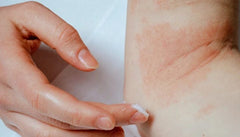
In eczema-prone skin, the system is compromised at a structural level. The barrier is more porous, loses moisture faster, and is far less effective at keeping things out.
Why the Skin Barrier Fails in Eczema
The barrier weakness in eczema isn't primarily caused by external factors - it starts from within. Many people with eczema have a genetic variant that reduces their production of filaggrin, a structural protein that binds skin cells together and helps maintain the barrier's integrity.
Less filaggrin means looser cell connections, faster moisture loss, and a barrier that's easier to penetrate. Skin pH also rises above the ideal range, which disrupts the enzyme activity needed for normal barrier repair and creates conditions where Staphylococcus aureus (Staph) – the bacteria closely associated with eczema flares – is more able to colonise the surface.
From there, the cycle compounds. Scratching physically tears the barrier open. Inflammation disrupts the lipid matrix. The skin becomes drier, which intensifies itch, which leads to more scratching. Each flare leaves the barrier weaker than before.
This is why standard moisturisers, while helpful, often aren't enough on their own. They add surface hydration without addressing the structural lipid deficit, the filaggrin deficiency, or the bacterial environment that keeps the cycle going.
What Actually Repairs the Skin Barrier
Lipid Replenishment
The lipid matrix between skin cells is made up of fats, fatty acids, and cholesterol. In eczema-prone skin, all three are typically depleted - the fatty acids that form the mortar between cells are significantly reduced even in skin that looks calm between flares.
Restoring these lipids isn't the same as applying a standard moisturiser. It requires ingredients that can integrate into the barrier's existing structure rather than just sitting on top of it. Plant-based oils with fatty acid profiles similar to the skin's own - such as those derived from seeds and botanical sources - are better absorbed and more structurally compatible than many synthetic alternatives.
Addressing Bacterial Balance
Barrier repair doesn't happen in isolation. While the barrier is rebuilding, Staph bacteria continues to disrupt the healing process on the skin surface, releasing enzymes that degrade the lipid matrix, triggering inflammatory responses that slow repair, and exploiting gaps in the barrier to penetrate deeper.
Manuka leaf oil has been specifically studied for its ability to fight Staph, including disrupting the biofilms bacteria form on the skin surface.
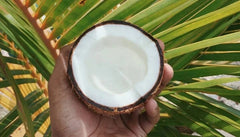
Coconut oil contributes complementary antimicrobial properties alongside deep hydration. Together, these ingredients help create the optimal skin environment for barrier repair.
Marshmallow Root and Soothing the Inflammatory Response
Inflammation is one of the main obstacles to barrier repair. When the skin is actively inflamed, the cellular processes needed for regeneration are interrupted. Soothing active inflammation is a prerequisite for repair, not a separate step.
Marshmallow root extract has been studied for its ability to soothe irritated skin and support the skin's own protective function - working from within the barrier structure, rather than sitting on the surface. This makes it particularly useful in eczema where inflammation is persistent and barrier repair is constantly being interrupted.
Consistency Over Intensity
One of the most common mistakes in barrier repair is applying products heavily during flares - and stopping once the skin looks clear. At that point the barrier is still fragile, Staph levels are still elevated, and the conditions for the next flare are already present. The in-between period - when eczema looks calm - is actually the most important time to maintain a barrier-supportive routine.
What Damages the Barrier and Should Be Avoided
Hot water. Hot showers and baths strip the lipid matrix from the barrier surface.
Fragrances and preservatives. Common contact irritants even in products labelled "natural." Fragrance-free formulations are non-negotiable for barrier repair.
Harsh soaps and detergents. Standard soaps are alkaline - they raise skin pH above the ideal range, disrupt enzyme activity, and strip lipids. Soap-free, pH-balanced cleansers or plain water for young children protect what the barrier has managed to rebuild.
Scratching. Each episode physically tears the barrier open and triggers inflammation that interrupts repair. Managing itch is part of barrier repair, not separate from it.
Skipping application between flares. This is when the barrier is most vulnerable and most receptive to repair.
What the Research Shows
Research confirms that the "weak barrier" in eczema isn't just a feeling - it's measurable. Loss-of-function changes in the filaggrin gene are one of the strongest known genetic risk factors for eczema, and are directly linked to increased barrier permeability and drier, more reactive skin.¹
Studies of the outer skin layer show clear lipid depletion in eczema. Fats and fatty acids that form the mortar between skin cells are significantly reduced in both lesional and even normal-looking skin of people with eczema, suggesting a built-in deficit rather than a temporary dip during flares.²
Because of this, not all creams work the same way. Emollients enriched with skin-compatible fatty acids, such as those derived from coconut and sunflower seed oils, have been shown to improve itch, reduce the need for topical steroids, and even lower Staphylococcus aureus levels on the skin.³
The microbial side matters too. Staphylococcus aureus produces cell-wall components like lipoteichoic acid that directly interfere with barrier proteins and normal skin cell maturation, worsening inflammation and delaying repair in a way that matches what is seen in eczema skin.⁴
Together, this research supports a simple but important shift: barrier repair in eczema means replenishing missing lipids and managing bacteria, not just adding generic moisture.
Building a Barrier Repair Routine
Repair happens through consistency, not intensity. A simple daily routine applied without interruption does more than aggressive treatment during flares followed by nothing.
Morning and evening: Apply a barrier-supportive product to skin that is clean and slightly damp - the window immediately after washing is when absorption is highest.
Bathing: Lukewarm water, ten minutes maximum, soap-free cleanser. Pat dry rather than rubbing.
Product choice: Look for formulations that combine lipid replenishment with bacterial balance support. A product that only hydrates addresses one part of the problem. Products that also reduce Staph on the surface improve the skin environment so your barrier can properly repair itself.
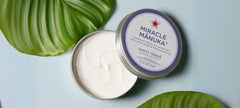
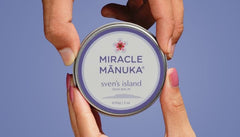
Sven's Island Miracle Manuka Cream is designed around this dual approach - Manuka leaf oil and marshmallow root working alongside barrier-supportive botanicals including coconut oil, in a formulation gentle enough for daily use from birth.
Frequently Asked Questions
How long does it take to repair the skin barrier?
Most people notice reduced itch intensity and improved skin comfort within two to four weeks of consistent daily application. Meaningful structural improvement - longer gaps between flares, better resilience to triggers - typically takes six to twelve weeks. The skin renews itself on a 28-day cycle, and real repair requires multiple complete cycles.
Can you repair the skin barrier if you have eczema permanently?
The structural differences in eczema-prone skin - particularly reduced filaggrin - don't resolve. But the barrier's functional state can be significantly improved through consistent care. The goal is to keep the barrier functioning well enough that flares become less frequent, less severe, and shorter-lived.
Does moisturising repair the skin barrier?
Moisturising supports the barrier but doesn't replace the structural lipids it needs to rebuild properly. A well-formulated barrier repair product goes further - delivering the fatty acids and supportive botanicals the barrier's lipid matrix is depleted of.
Is the skin barrier connected to eczema flares?
Yes, directly. A compromised barrier allows irritants and bacteria to penetrate more easily, triggers inflammatory responses, and disrupts the moisture balance that keeps itch in check. Every flare further damages the barrier, making the next flare more likely.
What ingredients actually repair the skin barrier?
Plant-based oils with fatty acid profiles compatible with the skin's own lipid structure - such as Manuka leaf oil and coconut oil - support barrier function while addressing the bacterial environment that disrupts repair. Marshmallow root extract helps calm the inflammation that interrupts the repair process.
Final Thought
Eczema management that focuses only on symptoms - calming the current flare, reducing visible redness - will keep producing the same result. The flare clears. The conditions that caused it remain. You stay trapped in the cycle.
Barrier repair is the longer game. It's less dramatic than a steroid cream clearing a flare overnight, and it requires consistency through the calm periods as much as the bad ones. But it's the only approach that changes the skin's underlying vulnerability, rather than just responding to its consequences.
The barrier can be supported. The cycle can be broken. It just takes understanding what the barrier actually needs - and providing it consistently enough to see lasting relief.
References
¹ McAleer et al. (2024), JCI Insight. https://insight.jci.org/articles/view/178258
² Imokawa et al. (1991), Journal of Investigative Dermatology. https://pubmed.ncbi.nlm.nih.gov/2007790/
³ Yosipovitch et al. (2024), Journal of the European Academy of Dermatology and Venereology. https://pubmed.ncbi.nlm.nih.gov/38394048/
⁴ Travers et al. (2019), JCI Insight. https://pmc.ncbi.nlm.nih.gov/articles/PMC6650368/
Don’t Miss These
Works well with Eczema prone skin


- $66.00
-
$104.00 - $66.00
- -37%
- Unit price
- per


- $62.00
-
$89.00 - $62.00
- -30%
- Unit price
- per


- $99.00
-
$145.00 - $99.00
- -32%
- Unit price
- per


- $40.00
-
- $40.00
- -0%
- Unit price
- per


