




300+ clinicians, doctors, and dermatologists have shared Svens Island for eczema relief, with no compensation.
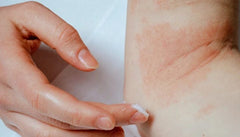
The itch arrives without warning. Within seconds it's all you can think about. You scratch - and for a moment it eases. Then it comes back harder.
This is the itch-scratch cycle, and it's one of the most frustrating aspects of eczema. The scratch that provides momentary relief causes real damage - tearing the skin barrier open, triggering inflammation, and making the next itch signal stronger than the last.
Understanding why eczema’s itch works the way it does is what allows you to interrupt it – both in the moment and over time.
Why Eczema Itch Is Different
Normal itch - from an insect bite or a mild irritant - is a warning signal. It's localised, temporary, and resolves once the trigger is removed.
Eczema itch is different. It's driven by a combination of a damaged skin barrier, an overactive immune response, and in many cases an elevated presence of Staphylococcus aureus (Staph) on the skin surface - the bacteria closely associated with eczema flares. All three of these keep the itch signal running even when there's no external trigger present.
The damaged barrier means nerve endings in the skin are more exposed and more easily activated. The immune system, already in a heightened state, releases inflammatory chemicals that directly stimulate itch receptors. And Staph on the skin surface releases toxins that act as additional itch triggers - which is part of why the itch feels relentless even on skin that looks relatively calm.
Scratching makes all three worse. It physically disrupts the barrier further, amplifies the inflammatory response, and creates the warm, broken-skin environment where Staph thrives.
How to Stop the Itch Fast
These approaches interrupt the itch signal in the short term - useful during acute flares or at night when itch becomes unbearable.
Cold or cool water. Applying a cool, damp cloth to itchy skin lowers skin temperature and dampens the itch signal directly. Warmth amplifies itch - cooling reverses this. A cool compress held against the skin for a few minutes provides genuine short-term relief without damaging the barrier the way scratching does.
Moisturise immediately. Dry skin intensifies itch by exposing nerve endings at the surface. Applying a moisturiser or barrier-supportive product immediately - particularly one that's been stored in the fridge - provides both hydration and a cooling effect. The barrier support reduces the underlying signal; the cool temperature interrupts it in the moment.
Distraction and pressure. Pressing firmly on itchy skin - without scratching - can partially satisfy the itch signal without causing barrier damage. Occupying hands with another task, particularly during lighter moments of itch, reduces the automatic scratch response that happens before conscious awareness catches up.
Antihistamines for nighttime itch. Sedating oral antihistamines reduce the histamine-driven component of itch and can improve sleep during flares. They don't address the bacterial or barrier drivers of eczema itch, but they can provide enough relief to break the overnight scratch cycle that causes so much of the cumulative barrier damage.
Keep nails short. Scratching with short nails causes significantly less barrier damage than scratching with long ones. It doesn't stop the itch, but it reduces the damage done during the inevitable moments when scratching happens before it can be stopped.
Why Quick Fixes Alone Aren’t Enough
The approaches above may interrupt the itch signal – but they don't address what's creating it.
The itch in eczema is a symptom of underlying conditions: a barrier that isn't functioning properly, an immune response that's chronically activated, and a bacterial environment that keeps feeding both. Cooling and moisturising reduce the signal temporarily. Once the cooling wears off and the skin dries out again, the signal returns.
This is why people who rely only on fast relief approaches find themselves in a constant loop - managing the itch but never reducing how often or how intensely it arrives.
Lasting itch reduction requires addressing the two drivers that fast relief can't reach.
Addressing the Bacterial Driver of Itch
Staph on the skin surface is one of the most significant and most commonly overlooked drivers of eczema itch. It doesn't cause eczema, but its toxins directly stimulate itch receptors, trigger immune responses, and disrupt the barrier repair process that would otherwise reduce itch over time.
Standard steroids and moisturisers don't address Staph. A product that combines barrier support with antibacterial ingredients that fight Staph can address the itch on a level which moisturising alone can't reach.
Manuka leaf oil has been specifically studied for its ability to kill 99% of Staph, including its ability to disrupt the biofilms bacteria form on the skin surface. Applied consistently, it reduces the bacterial load that keeps the inflammatory and itch cycle running.
Addressing the Skin Barrier Driver of Itch
A compromised skin barrier leaves nerve endings closer to the surface and more easily activated. Every drop in skin hydration, every encounter with an irritant, every scratching episode triggers an itch signal that a healthy barrier would have absorbed or blocked.
Barrier repair - through consistent daily application of products that replenish the lipids and fatty acids the barrier is depleted of - gradually raises the threshold at which the itch signal fires. The same irritant that would have caused intense itch on a compromised barrier produces a much milder response on a barrier that's functioning properly.
This is the slower work. It takes weeks of consistent application to show up as meaningfully fewer and less intense itch episodes. But it's the mechanism that actually changes the baseline - rather than just interrupting signals as they arrive.
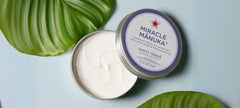
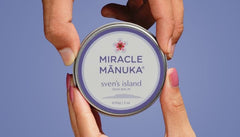
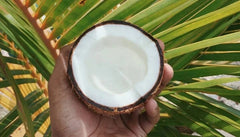
Sven's Island Miracle Manuka Cream is formulated to work on both levels - Manuka leaf oil reducing the Staph load that drives itch, alongside barrier-supportive botanicals like marshmallow root and coconut oil that help restore the structural integrity the barrier needs to stop transmitting the itch signal so readily.
What the Research Shows
Research shows why eczema itch feels so endless - and why it keeps getting worse. Scratching doesn't just break the skin. It releases chemicals that make nerve endings hypersensitive, so the next itch hits harder and spreads.¹
Staph bacteria on the skin make it relentless. Toxins like delta-toxin directly "turn on" itch nerves, keeping the signal firing even when skin looks fairly calm.² Cooling skin temperature calms overactive nerves fast - studies confirm cold compresses significantly reduce itch intensity during flares.³
A weak skin barrier drives much of the problem. When the barrier lets more moisture escape (measured as transepidermal water loss), itch becomes much more intense.⁴
Nighttime antihistamines help by making sleep possible through bad itch episodes, cutting down on overnight scratching damage.⁵
These findings explain the itch-scratch trap perfectly: exposed nerves, bacterial toxins, and barrier gaps all feed each other.
Building a Routine That Reduces Itch Over Time
Quick fixes help calm flares quickly in the moment. A consistent daily routine reduces how often and how intensely eczema flares.
Apply barrier-supportive product morning and evening - not just during flares. The in-between period is when the barrier rebuilds. Consistent application keeps it functioning well enough that fewer triggers cross the itch threshold.
Moisturise within minutes of bathing while skin is still slightly damp. This is when the barrier is most receptive to what's applied and when locking in moisture is most effective.
Keep the bedroom cool. Skin temperature rises overnight, which amplifies itch signals. A cooler room reduces this directly and improves the quality of sleep disrupted by nighttime scratching.
Use fragrance-free everything - detergents, soaps, skincare. Fragrance compounds are one of the most common contact irritants in eczema-prone skin and a frequent source of itch triggers that are easy to eliminate.
Address bacterial balance before bed. The overnight environment - warm, slightly moist under bedding - is where Staph levels increase most. Applying a product that reduces Staph before sleep addresses the bacterial itch driver during the period it's most active.
Frequently Asked Questions
Why does eczema itch so much?
Eczema itch is driven by three overlapping factors: a damaged skin barrier that leaves nerve endings more exposed, an overactive immune response that releases itch-triggering chemicals, and Staph bacteria on the skin surface whose toxins directly stimulate itch receptors. All three keep the signal running even without an obvious external trigger.
Why does scratching make eczema itch worse?
Scratching provides brief relief by temporarily overwhelming the itch signal with a pain signal. But it physically tears the skin barrier open, triggers an inflammatory response, and creates conditions where Staph can increase - all of which make the next itch signal stronger. The relief is real but short-lived; the damage is cumulative.
What stops eczema itch immediately?
Cool water or a cold compress lowers skin temperature and dampens the itch signal fastest. Applying a chilled moisturiser or barrier product adds a hydration benefit on top of the cooling effect. These interrupt the signal in the moment but don't address what's generating it - that requires consistent barrier and bacterial balance support over time.
Does moisturising help with eczema itch?
Yes, particularly if applied when skin is slightly damp after bathing. Dry skin amplifies itch by exposing surface nerve endings. Moisturising reduces this directly. A barrier repair product goes further by addressing the structural deficit that keeps nerve endings overexposed - but any consistent moisturising is better than none.
How long before eczema itch improves with consistent treatment?
Most people notice reduced itch intensity within two to four weeks of consistent daily application of a barrier-supportive product. Significant reduction in itch frequency - fewer episodes, less intense signals - typically takes six to eight weeks as the barrier rebuilds and Staph levels reduce. Immediate fast relief approaches work from day one; the deeper improvement takes longer.
Final Thought
Eczema itch isn't random - it's the predictable pattern of a damaged barrier, an overactive immune system, and a bacterial environment that keeps feeding both.
Quick fixes interrupt the signal. Consistent barrier and bacterial balance support reduces how often and how strongly the signal fires.
Both matter. But only one changes the baseline.
References
¹ Mack & Kim (2018), Yale J Biol Med.
https://pmc.ncbi.nlm.nih.gov/articles/PMC8896504/
² Bocheńska et al. (2020), Anaesthesiol Intensive Ther.
https://pmc.ncbi.nlm.nih.gov/articles/PMC6986131/
³ Yosipovitch et al. (2007), Br J Dermatol.
https://pubmed.ncbi.nlm.nih.gov/17535222/
⁴ Park et al. (2006), Exp Dermatol.
https://pubmed.ncbi.nlm.nih.gov/16704640/
⁵ O’Donoghue & Harmelin (2017), Dermatol Ther.
Mentioned in this article
Works well with Eczema prone skin


- $52.80
-
- $52.80
- -0%
- Unit price
- per


- $49.60
-
- $49.60
- -0%
- Unit price
- per


- $79.20
-
$145.00 - $79.20
- -32%
- Unit price
- per


- $34.00
-
- $34.00
- -0%
- Unit price
- per


